

Trending Now
- “The by-election should be the beginning of the downfall of the TVK Govt.” – Leader of the Opposition Udhayanidhi Stalin
- “DMDK will remain with the DMK. I told brother Stalin that there will be 100% cooperation in the by-election. I will definitely campaign.” – DMDK General Secretary Premalatha (interview)
- “Stalin did not extend greetings on Vinayagar Chaturthi; that is why he lost the election.” – criticises L.Murugan
- MoU Worth Rs.11,000 crore signed in London in the presence of CM Vijay.
Coimbatore


National Conference on “Innovation, Collaboration and Holistic Care: Forensic Nursing – A Futuristic Approach to Health Care and Legal System in India (FNC 2026)” “Turning Silent evidence in to truth”

 February 12, 2026
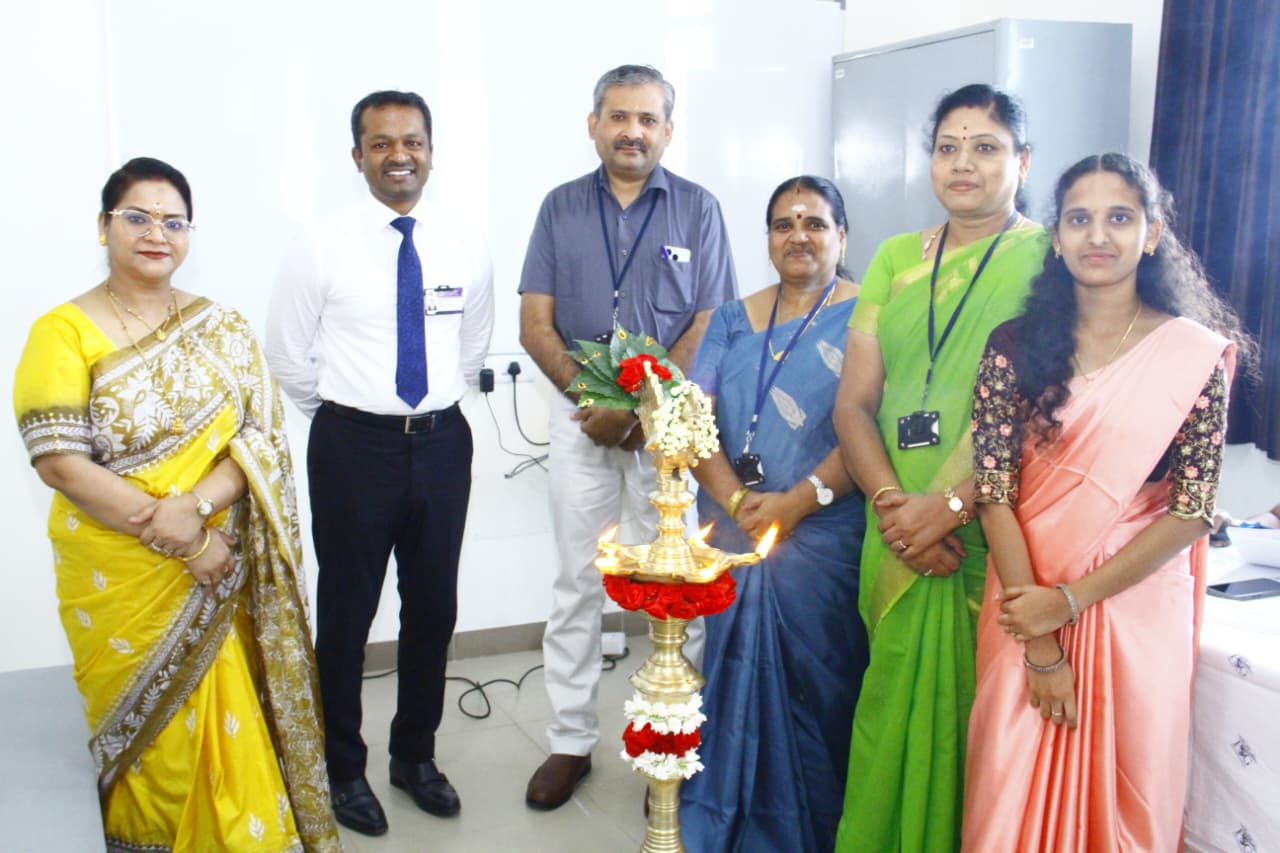
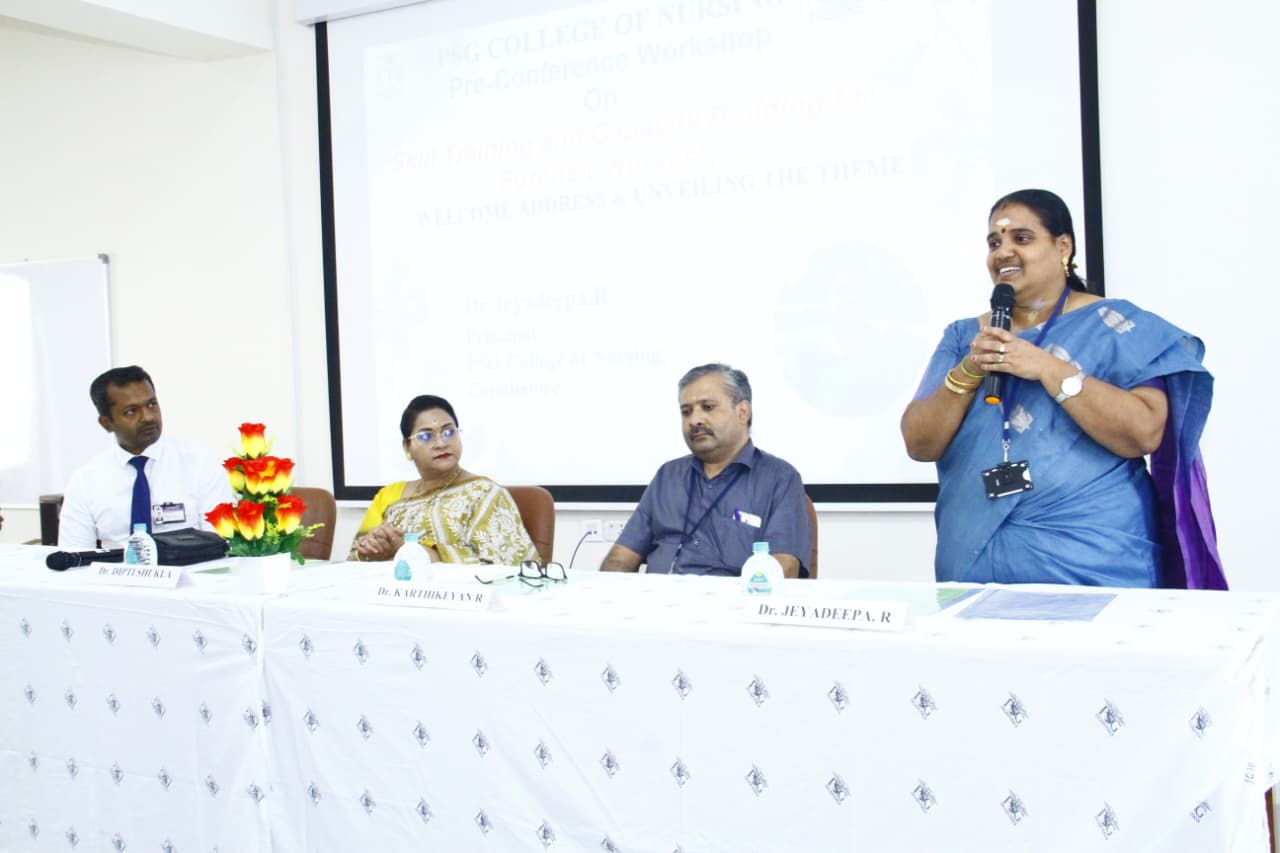

PSG College of Nursing, Coimbatore, under the aegis of PSG & Sons’ Charities Trust, successfully organized the National Conference on “Innovation, Collaboration and Holistic Care: Forensic Nursing – A Futuristic Approach to Health Care and Legal System in India (FNC 2026)” on 12th and 13th February 2026 at PSG Institute of Medical Sciences & Research (PSG IMS&R).
The two-day national event served as a vital academic platform bringing together nursing professionals, forensic experts, medical practitioners, legal experts, academicians, and students from across India to deliberate on the expanding scope and critical role of forensic nursing within the healthcare and judicial systems.
Pre-Conference Workshop – Day 1
Pre-Conference Workshop on Skill Training and Capacity Building for Forensic Nurses, held at the Forensic Medicine Laboratory, PSG IMS&R. The workshop provided intensive hands-on training in evidence collection and preservation, medico-legal case identification, documentation, sexual assault examination, poisoning and toxicology procedures, and survivor and witness counselling.
Renowned experts including Dr.Jegadeeshwaraj J., Vice Principal and Professor & Head, Department of Forensic Medicine, PSG IMS&R; Dr.Jeyadeepa.R., Principal, PSG College of Nursing ; Dr.Dipti Shukla, Dr.Jegan, Dr. Veena, Dr. S. Sankar, Dr. R. Gopinath, and Prof. Meera S. delivered insightful sessions that strengthened participants’ practical competencies.
Conference Proceedings – Day 2
The National Conference was formally inaugurated at the PSG IMS&R Auditorium under the leadership of Dr. Jeyadeepa R., Principal, PSG College of Nursing. Eminent speakers including Dr.Rakesh Gorea Founder of Forensic Nursing in India, Dr. Dipti Shukla, Professor-cum-Principal, Samarpan Institute of Nursing and Paramedical Sciences, Lucknow; Dr. Ranjeet Kumar Singh, Director, SIFS India Forensic Laboratory; Dr. Manoharan C., Professor & Head, Department of Forensic Medicine & Toxicology, Coimbatore Medical College; Adv. Asha Unnithan, Senior Lawyer; and Dr. Baskaran M., Professor, PSG College of Nursing, addressed contemporary challenges and innovations in forensic science and nursing practice.
Sessions focused on cutting-edge forensic technologies, trauma-informed care, forensic psychiatric nursing, Indian laws and judicial processes, and collaborative forensic healthcare models.
Panel Discussion and Valedictory
A thought-provoking panel discussion on “Ethical Dilemmas and Issues in Evidence Collection Leading to Delayed Justice – Safeguarding Human Rights” featured experts from healthcare, forensic science, judiciary, and legal domains, including Retd. Judge J. V. Raj, former Chairperson, DRT and Mental Health Review Board, Coimbatore.
Addressing the gathering, Dr. Jeyadeepa R., Principal, PSG College of Nursing, stated:
“Forensic nursing is no longer a niche specialty; it is a critical bridge between healthcare and justice. This conference aimed to empower nurses with knowledge, skills, and ethical clarity to serve society with competence and compassion.”
Highlighting the significance of interdisciplinary collaboration, Dr. Jegadeeshwaraj J. remarked:
“Accurate evidence collection and meticulous documentation by trained forensic nurses can significantly reduce delayed justice and uphold human rights. Capacity building in this domain
is the need of the hour.”
Sharing his vision, Dr. Rakesh Gorea emphasized:
“India stands at a crucial juncture where forensic nursing can redefine medico-legal care. Training nurses in forensic principles is an investment in justice, ethics, and public trust.”
There were 800 participants who gained the knowledge and recent updates in forensic nursing.The conference concluded with a valedictory session, certificate distribution, and acknowledgment of paper and poster presentations, marking the successful culmination of FNC 2026.
Through this national initiative, PSG College of Nursing reaffirmed its commitment to academic excellence, innovation, and leadership in forensic nursing education, preparing nurses to meet the complex demands of modern healthcare and the legal system.