


Trending Now
- “Due to the Union Govt’s failure to properly plan for electricity shortages, Rajasthan is purchasing electricity at Rs.46 per unit.” – Explains Minister Nirmal Kumar on power procurement
- “Despite repeated warnings about the deteriorating law and order situation, the government remains indifferent. It must stop playing with people’s safety.” – DMK MP Kanimozhi
- Microsoft co-founder Bill Gates warns that AI and robotics could pose major challenges to employment opportunities over the next 20 years.
- Reports say Superstar Rajinikanth starrer ‘Jailer 2’ has crossed Rs.700 crore in worldwide box-office collections.


Factors That Affect MSME Loan Interest Rates in India

 September 29, 2025
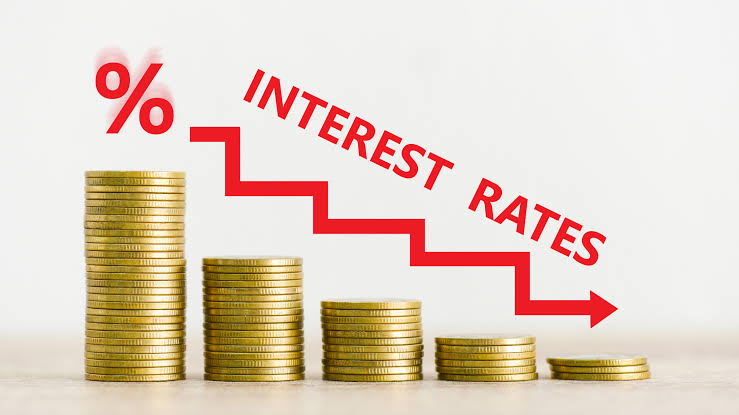

Micro, Small, and Medium Enterprises (MSMEs) form a vital component of India’s economy. They create employment opportunities, foster innovation, and contribute significantly to the nation’s GDP. These businesses often operate with limited financial buffers and must manage day-to-day operations, inventory, and capital expenditure efficiently. Access to timely and appropriate funding is, therefore, crucial to sustain growth and seize new opportunities.
Among the key considerations for entrepreneurs seeking financial support, MSME loan interest rates play a significant role in determining the cost of borrowing. These rates are influenced by several factors, including business creditworthiness, tenure, collateral, and prevailing market conditions. Being aware of these factors enables business owners to make well-informed decisions and plan their finances more efficiently.
Importance of MSME Loan Interest Rates
MSME loans provide funding for working capital, expansion, equipment purchases, and day-to-day operations. The interest rate on such loans determines the cost of borrowing and directly affects profitability. Even a small variation in rates can impact cash flow, making it essential for entrepreneurs to understand how these rates are set.
Creditworthiness of the Borrower
One of the most decisive factors behind MSME loan interest rates is the borrower’s creditworthiness. Lenders carefully examine repayment history, existing liabilities, and credit bureau scores before sanctioning a loan.
A strong repayment record signals lower risk, encouraging lenders to extend loans at competitive rates.
Missed EMIs, delayed GST filings, or defaults on other obligations can raise the perceived risk, leading to higher interest charges.
Maintaining a disciplined financial history, therefore, goes a long way in securing better terms from any MSME bank or financial institution.
Business Vintage and Stability
The duration for which a business has been operational also matters. MSME banks prefer enterprises that have a stable track record of at least two to three years. A business that has weathered market cycles is often considered less risky compared to a newly established venture.
Established businesses generally enjoy more favourable MSME loan interest rates.
Start-ups or firms with limited operational history may face slightly higher rates until they build credibility.
Loan Type and Tenure
The type of MSME loan being applied for has a direct impact on its pricing. Working capital loans, overdraft facilities, term loans, or project-specific financing may all be structured differently.
Short-term loans with quick repayment schedules may carry different rates compared to long-term loans spread over several years.
Overdraft facilities, for example, often charge interest only on the utilised amount, offering flexibility but at a variable cost.
The chosen tenure also affects MSME loan interest rates, as longer repayment horizons may increase lender exposure and, in turn, impact pricing.
Collateral and Security Offered
Collateral plays a major role in determining MSME loan interest rates. Secured loans, backed by property, stock, or equipment, typically attract lower rates since they reduce the lender’s risk exposure. Unsecured MSME loans, though convenient, may involve slightly higher charges to offset the absence of security.
For businesses willing to pledge assets, leveraging collateral can be an effective way to negotiate better rates with an MSME bank.
Policies of the MSME Bank
Each financial institution follows its own approach to pricing. MSME loan interest rates can differ based on internal policies, sector-specific assessments, and promotional offers. Some banks design specialised loan schemes for certain industries such as healthcare, retail, or construction, with tailored benefits and interest structures.
Lenders also evaluate business categories differently depending on perceived growth potential and repayment capacity. For this reason, exploring multiple MSME bank options before applying is a practical step.
Economic and Market Conditions
Broader market factors also shape MSME loan interest rates. Benchmark rates such as the repo rate, inflation levels, and liquidity in the banking system influence borrowing costs across industries.
While these external factors are beyond the control of individual businesses, understanding them allows entrepreneurs to make more informed decisions. For example, applying for loans when lending conditions are favourable may help secure competitive terms.
Interest Structures for MSME Loans
Apart from the rate itself, the method used to calculate interest affects repayment. MSME loans may follow different interest structures:
Fixed Interest
The interest rate stays unchanged for the entire loan period, ensuring predictable repayments
Floating Interest
The rate changes according to market benchmarks, which may either increase or reduce the repayment burden over time.
Reducing Balance Method
Interest applies solely to the remaining principal, which gradually reduces the total interest payable as each instalment is cleared.
Knowing which structure applies to your loan helps manage working capital more effectively.
Documentation and Compliance
The quality and timeliness of documentation may also influence MSME loan interest rates. Lenders usually request financial statements, GST returns, bank records, and other compliance documents.
Updated paperwork demonstrates transparency and reliability.
Missing or outdated documents may lead to increased risk perception, which can influence the loan pricing.
Businesses that maintain proper records are often in a stronger position to negotiate favourable MSME loan interest rates.
Tips to Secure Competitive Interest Rates
Entrepreneurs can take proactive steps to improve their chances of securing affordable loan terms:
Maintain a strong credit score and repayment record.
Avoid delays in tax filings or statutory payments.
Provide updated financial documents for accurate evaluation.
Offer collateral if available to lower the risk profile.
Limit multiple borrowings to keep liabilities manageable.
Build a consistent operational track record to enhance credibility.
By following these practices, businesses position themselves as lower-risk borrowers, which can positively influence the interest rates offered.
Securing the Right MSME Loan for Your Business
Understanding the factors that affect MSME loan interest rates in India helps business owners make better borrowing decisions.
Creditworthiness, business history, collateral, loan type, and even broader economic conditions play a role in determining the final cost of borrowing. By staying financially disciplined and well-prepared, MSMEs can secure loan terms that support growth without creating undue repayment pressure.
For those looking to begin their financing journey, you can consider trusted financial institutions like HDFC Bank to access secure and flexible MSME loan solutions tailored to your business needs.