

Trending Now
- “The by-election should be the beginning of the downfall of the TVK Govt.” – Leader of the Opposition Udhayanidhi Stalin
- “DMDK will remain with the DMK. I told brother Stalin that there will be 100% cooperation in the by-election. I will definitely campaign.” – DMDK General Secretary Premalatha (interview)
- “Stalin did not extend greetings on Vinayagar Chaturthi; that is why he lost the election.” – criticises L.Murugan
- MoU Worth Rs.11,000 crore signed in London in the presence of CM Vijay.
Coimbatore


From critical illness to recovery: A high-risk pediatric piver transplant success story

 February 14, 2026
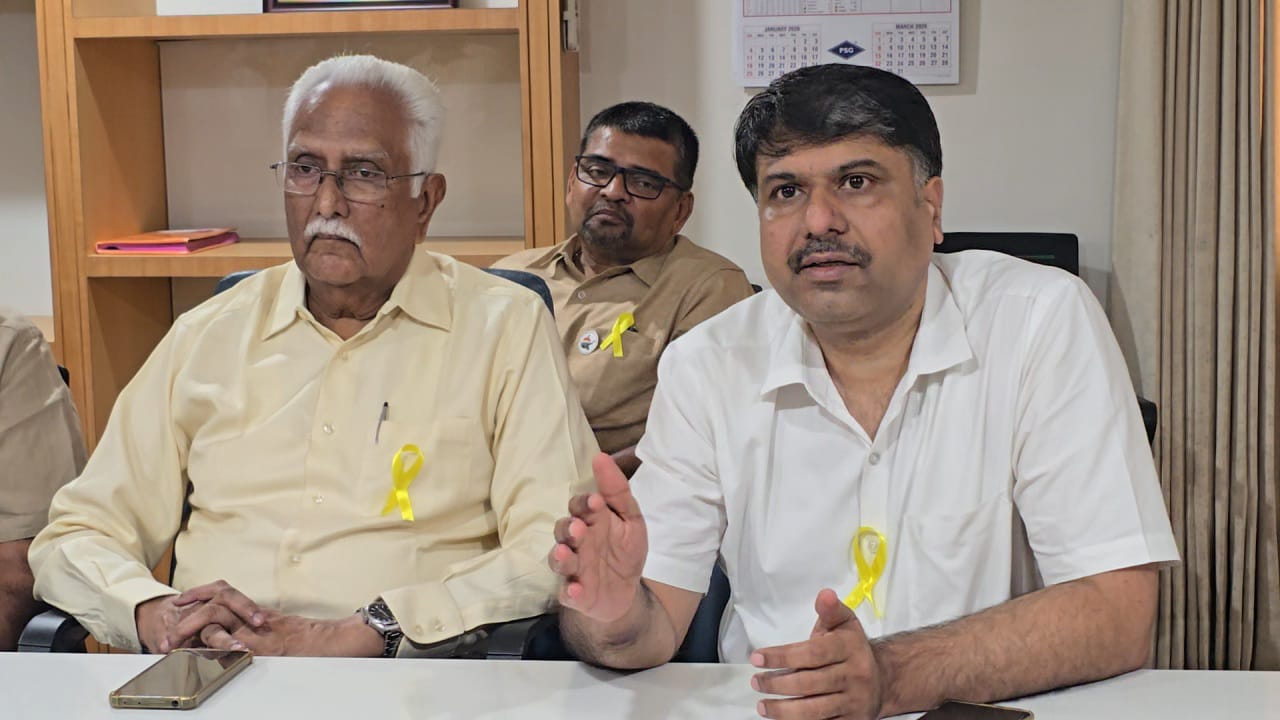
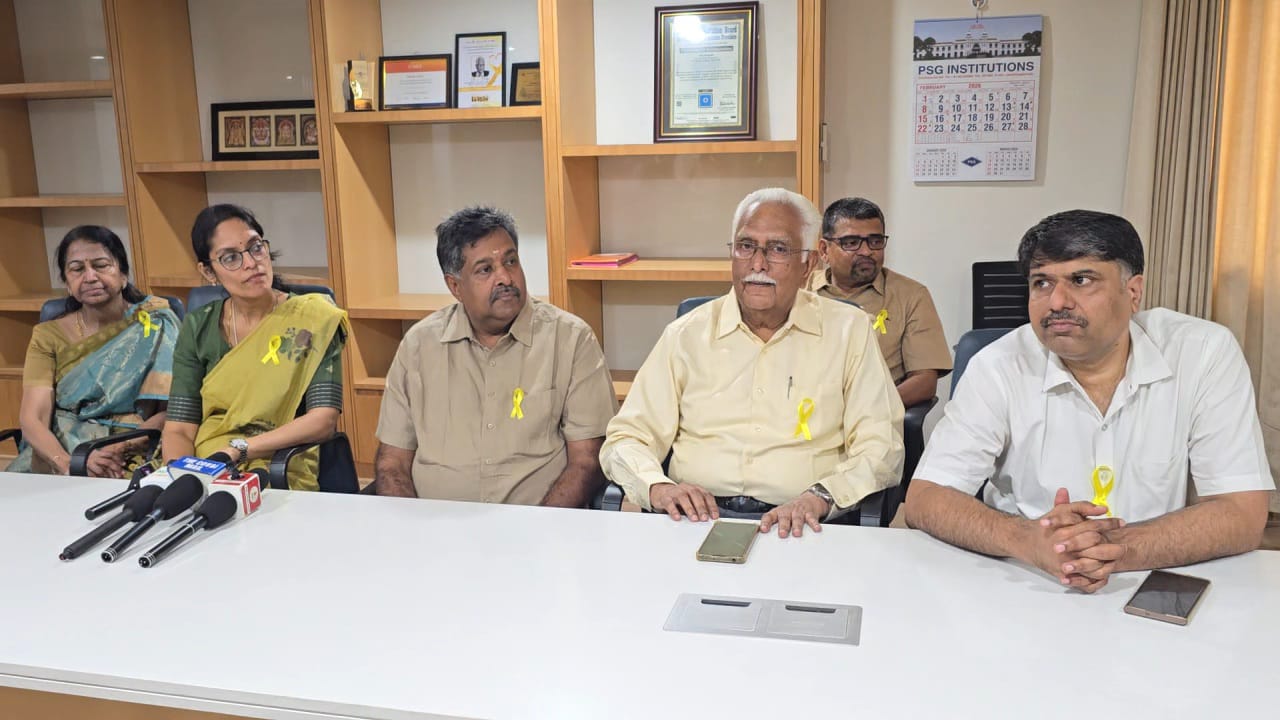

Triumph Over Complexity: Successful Pediatric Living Donor Liver Transplant in a High-Risk Adolescent with Multiple Complications
Managing end-stage liver disease in children is one of the most challenging areas of modern medicine, particularly when associated with rare genetic disorders and life-threatening complications. The Liver Transplant and Hepato-Pancreato-Biliary (HPB) Surgery team at PSG Hospitals achieved a remarkable milestone by successfully performing a living donor liver transplantation in a 15-year-old boy suffering from Progressive Familial Intrahepatic Cholestasis Type-3 (PFIC-3) complicated by portal hypertension, hepatopulmonary syndrome, postoperative seizures, suspected drug-related encephalopathy, and severe sepsis with septic shock.
The child had been diagnosed with PFIC-3 at six years of age and was on regular follow-up. Over time, progressive liver failure resulted in worsening jaundice, portal hypertension, and pulmonary involvement, making liver transplantation the only definitive life-saving option. Given the complexity of the condition, a detailed multidisciplinary evaluation was undertaken involving transplant surgeons, hepatologists, pediatric intensivists, anesthesiologists, neurologists, radiologists, infectious disease specialists, nurses, and transplant coordinators.
After comprehensive counselling and high-risk consent, the patient underwent living donor liver transplantation, with his mother serving as the donor. Intraoperative findings revealed a cirrhotic liver with ascites. The surgery was technically demanding but completed successfully, and the patient was shifted to the intensive care unit on ventilatory and inotropic support.
He was gradually weaned off the ventilator and started on enteral nutrition. Immunosuppressive therapy was initiated as per protocol. However, during the postoperative course, the child developed persistent headache and hypertension, raising suspicion of Posterior Reversible Encephalopathy Syndrome (PRES), possibly related to tacrolimus. The medication was withheld, and close neurological monitoring was instituted.
Subsequently, the patient developed generalized seizures and was shifted back to the medical intensive care unit. Electrolyte imbalances including hyponatremia, hypomagnesemia, and hypokalemia were corrected, and antiepileptic therapy was optimized under neurologist guidance. MRI brain, MRA, and EEG did not reveal permanent structural abnormalities. With careful adjustment of immunosuppression using low-dose cyclosporine and later addition of everolimus, the seizures were controlled.
On the tenth postoperative day, the child developed sudden hemodynamic instability with features of severe sepsis and septic shock, including leukocytosis, thrombocytopenia, elevated procalcitonin, and rising lactate levels. Oral immunosuppressants were temporarily withheld. Urgent Doppler studies confirmed good blood flow in the hepatic artery, portal vein, and hepatic veins, effectively ruling out vascular complications.
Broad-spectrum antibiotics and advanced antifungal therapy, including amphotericin B, were initiated after consultation with infectious disease specialists. Comprehensive imaging, including CT abdomen and HRCT chest, showed no focus of infection or intra-abdominal collection. With aggressive critical care management, fluid resuscitation, inotropes, and targeted antimicrobial therapy, the patient gradually stabilized.
Over the following days, liver function tests improved steadily, blood counts normalized, and inflammatory markers declined. Mild ascites and pedal edema were managed with diuretics and albumin. The child was gradually mobilized, tolerated oral diet well, and resumed low-dose immunosuppressive therapy.
At discharge, the patient was clinically stable, neurologically intact, and maintaining good graft function. He and his family were counselled extensively regarding infection prevention, strict medication adherence, nutrition, hygiene, and scheduled follow-ups.
This complex case stands as a powerful example of how multidisciplinary teamwork, advanced transplant infrastructure, and timely clinical decision-making can transform even the most challenging situations into success stories. It also highlights the extraordinary gift of life offered by living organ donors and the importance of strengthening organ donation awareness.