

Trending Now
- “Vijay will become the PM in 2029.” – TVK MLA Kanimozhi Santhosh (Covai’s Kavundampalayam constituency)
- “If Vijay becomes Prime Minister, Parliament itself will become foolish.” – TTV Dhinakaran
- NPCI reports that 2,451 crore UPI transactions were carried out in August.
- Singai Ramachandran, who recently left the AIADMK and joined TVK, has been appointed as the CEO of Startup Tamil Nadu.
Coimbatore


Fine imposed on schools who employ unqualified teachers

 May 12, 2017
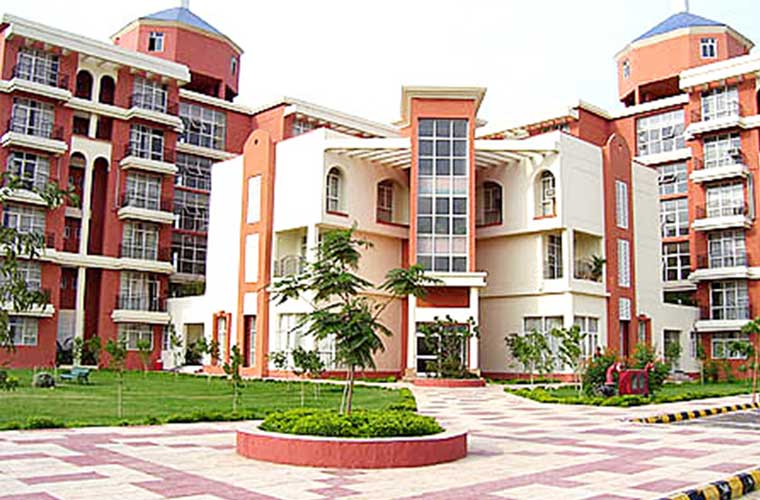

Bengaluru: Early this year, students of Ansal University in Gurgaon took to streets to protest against the failure of the university to hire qualified staff among others. the protestors spoke against the visiting faculty, who don’t meet the UGC criteria, and how because of such non involved staff, there learning was highly compromised.
This isn’t the first time students have taken up matters against unqualified staff, and now a provision of The Karnataka Education Act ( second amendment) 2017, allows private schools affiliated to the state board that appoint teachers without the right qualification or fail to display their names and education status in a prominent place in the institution to be fined upto Rs 5 lakh. But this penalty is to be imposed only after the District Education Regulatory Authority (DERA) gives the management an opportunity to present their point of view.
The department would also take into consideration faced by the school managements in retaining good and qualified teachers.
“This is a great move. There are times when a teacher doesn’t have B.Ed and is still teaching in higher classes.
The degrees are in some way the tools with which they hold the classes. I am glad that the schools which deliberately look for unqualified teachers, and don’t consider it wrong will be penalised,” says Shaurya Singh, Class 11th student, Kendriya Vidyalaya , Bangalore. How can an unqualified teacher teach at the first place. The qualification required to teach or conduct a class is a must, and should be strictly adhered to.
Schools that are compromising with their students education should be fined,” says Chandreyee Saha, a Chemistry Lecturer for local Institutes. in complete agreement, Manjary Ganguly, a Sociology teacher in Venkateshwara School says, “Schools these days want to save money by keeping unqualified staff. And because of uch staff, the results hamper.
Institutions charge a lot of money from the students, so it is their duty to provide them with qualified teachers.”
According to the National Council for Teacher Education, a lower primary teacher needs to have a diploma in teacher education and must have completed pre-university or equivalent course. An upper primary teacher needs to have completed graduation and completed a D.Ed or B.Ed. A high school teacher needs to have completed graduation and B.Ed. Are the schools listening?