

Trending Now
- “Due to the Union Govt’s failure to properly plan for electricity shortages, Rajasthan is purchasing electricity at Rs.46 per unit.” – Explains Minister Nirmal Kumar on power procurement
- “Despite repeated warnings about the deteriorating law and order situation, the government remains indifferent. It must stop playing with people’s safety.” – DMK MP Kanimozhi
- Microsoft co-founder Bill Gates warns that AI and robotics could pose major challenges to employment opportunities over the next 20 years.
- Reports say Superstar Rajinikanth starrer ‘Jailer 2’ has crossed Rs.700 crore in worldwide box-office collections.


Supreme Court highway alcohol ban reflects a paternalistic attitude towards citizens

 April 3, 2017

Everything you need to know for the day (and a little more).
Ipsita Chakravarty
The Big Story: Highway blues
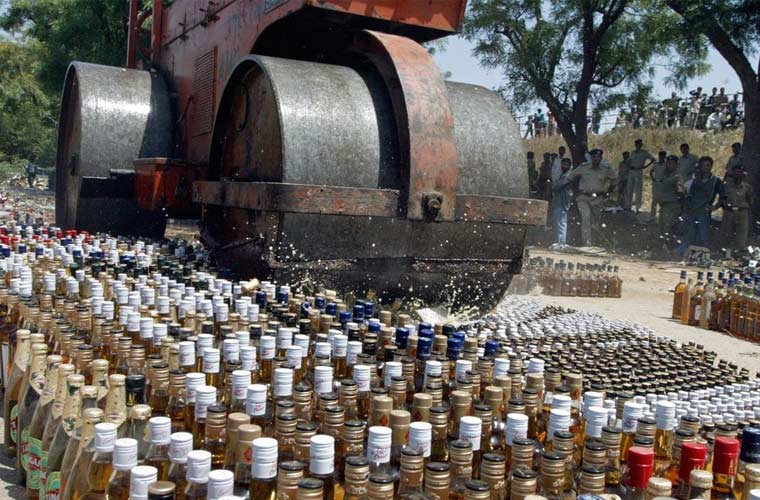
The Supreme Court has decided to uphold a 2016 order banning the sale of alcohol within 500 metres of state highways. The order had been in response to a petition which said 1.42 lakh people died in road accidents every year and drunk driving was a major cause. It seems well-intentioned but misdirected and shortsighted.
Even if the idea of the ban came from the Centre and not the court, as the judgment says, it speaks of a paternalistic state hectoring unruly citizens into behaving themselves.
While the National Crime Records Bureau’s data on drunk driving is said to be inconsistent, estimates put out by the Community Against Drunk Driving in 2011 said it caused 70% of all fatalities on the road. It is, however, debatable whether cracking down on the sale of liquor in certain areas will turn this tragic trend.
What is to stop drinkers from having their tipple more than 500 metres from a highway and then driving rashly? And what of accidents that take place on roads that are not highways? The changes to the Motor Vehicles Act could be a more effective deterrent; the fine for drunk driving has been increased by five times to Rs 10,000 and if the victim is killed, it is a non-bailable offence punishable by up to 10 years in jail.
Besides, the court order tries to sidestep the slow, painful work of creating awareness about all forms of rash driving and their consequences, of directing citizens towards more responsible choices instead of choosing for them.
Meanwhile, the court order could have a considerable economic impact. It promises to wipe out liquor stalls and smaller roadside places selling alcohol. It has also been disastrous for the various bars and restaurants that have cropped up along highways in recent years, the shiny establishments where India’s much-vaunted new economy goes to do business or take a breather.
The order has now led to the ridiculous spectacle of states scrambling to denotify their highways, fearing losses in jobs and revenue. Alcohol markets have boomed over the last few years in India, in tandem with a growing hospitality industry. These are realities that puritanical court orders and prohibition cannot wish away.
The Big Scroll
Rohan Venkataramakrishnan goes through the Supreme Court judgment to find a ban on alcohol along highways had been recommended by the Centre and endorsed by the expert body.
As the liquor ban hits businesses, some states try to denotify their highways.
Disclaimer: The views expressed above are the author’s own.