

Trending Now
- “The by-election should be the beginning of the downfall of the TVK Govt.” – Leader of the Opposition Udhayanidhi Stalin
- “DMDK will remain with the DMK. I told brother Stalin that there will be 100% cooperation in the by-election. I will definitely campaign.” – DMDK General Secretary Premalatha (interview)
- “Stalin did not extend greetings on Vinayagar Chaturthi; that is why he lost the election.” – criticises L.Murugan
- MoU Worth Rs.11,000 crore signed in London in the presence of CM Vijay.
India News


Delhi’s air quality improved significantly in lockdown period, says pollution control board

 September 24, 2020
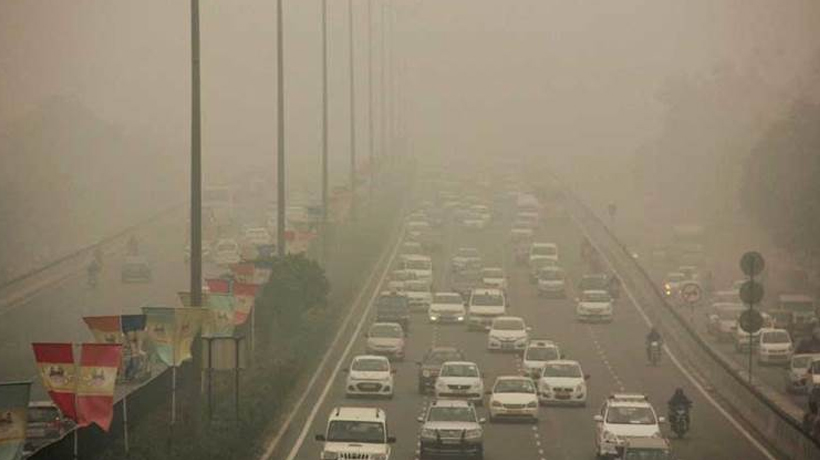

Restrictions on industrial operations and commercial and vehicular activity during the lockdown improved air quality in Delhi’s 13 pollution hotspots, according to the Central Pollution Control Board.
The Delhi government has identified 13 pollution hotspots in the city based on the annual average of PM10 and PM2.5 levels. These are Okhla Phase-II, Dwarka, Ashok Vihar, Bawana, Narela, Mundka, Punjabi Bagh, Wazirpur, Rohini, Vivek Vihar, Anand Vihar, R K Puram and Jahangirpuri.
PM2.5 is tiny particulate matter less than 2.5 microns in diameter. It can enter deep into the lungs and even into the bloodstream.
The CPCB said it analyzed air quality data in three stages — pre-lockdown (March 1-21), lockdown phase-I (March 25 April 19) and lockdown phase-II (April 20 May 3). A comparative analysis was also done for the corresponding time periods in 2019 to assess the improvement.
“Noticeable reduction in PM2.5, PM10 and NO2 levels in hotspots of Delhi was observed during the lockdown period as compared to 2019 levels, in all likelihood due to restrictions on operations of industrial and commercial areas and vehicular activity,” it said.
The reduction in PM2.5 levels varied from 54 percent in Jahangirpuri to 26 percent in Punjabi Bagh.
Dwarka, which has a significant presence of residential-cum-institutional sites with substantial traffic movement, recorded a 50 percent decline in PM2.5 levels.