

Trending Now
- “The by-election should be the beginning of the downfall of the TVK Govt.” – Leader of the Opposition Udhayanidhi Stalin
- “DMDK will remain with the DMK. I told brother Stalin that there will be 100% cooperation in the by-election. I will definitely campaign.” – DMDK General Secretary Premalatha (interview)
- “Stalin did not extend greetings on Vinayagar Chaturthi; that is why he lost the election.” – criticises L.Murugan
- MoU Worth Rs.11,000 crore signed in London in the presence of CM Vijay.
India News


SCIEnT’s Openhouse: Dynamic Projects Unveiled

 February 19, 2026
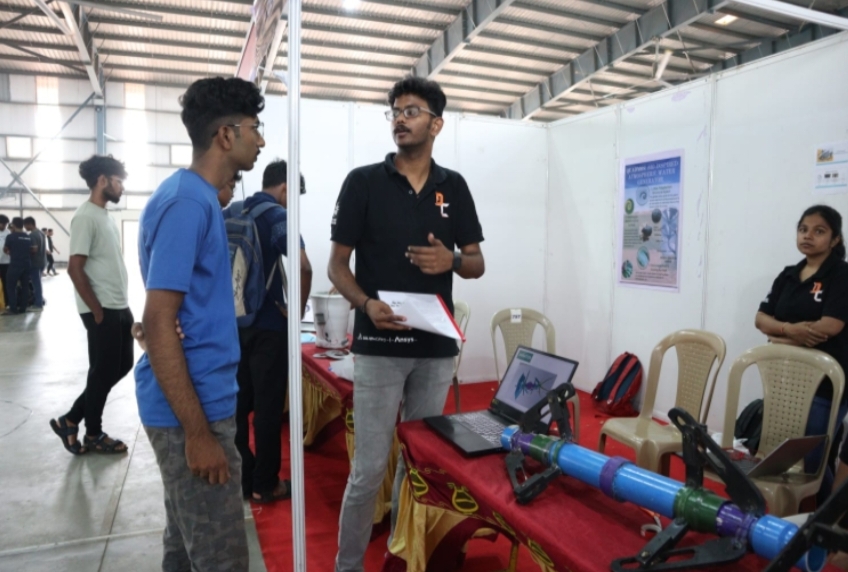

Open House is an interactive event conducted by SCIEnT (Student Centre for Innovation in Engineering and Technology) on 20th and 21st of February as part of Pragyan, the annual techno-managerial fest of the National Institute of Technology, Tiruchirappalli. SCIEnT is a multidisciplinary innovation hub and maker space that empowers students to transform ideas into reality. SCIEnT provides access to advanced tools, dedicated workspace, and expert mentorship to support project development across diverse domains of engineering and technology. It fosters a culture of creativity, collaboration, and hands-on learning among students.
Open House showcases innovative projects, working prototypes, and research-driven ideas developed by passionate student teams. The event encourages experiential learning, interdisciplinary collaboration, and knowledge sharing, while inspiring young minds to explore technology beyond classrooms.
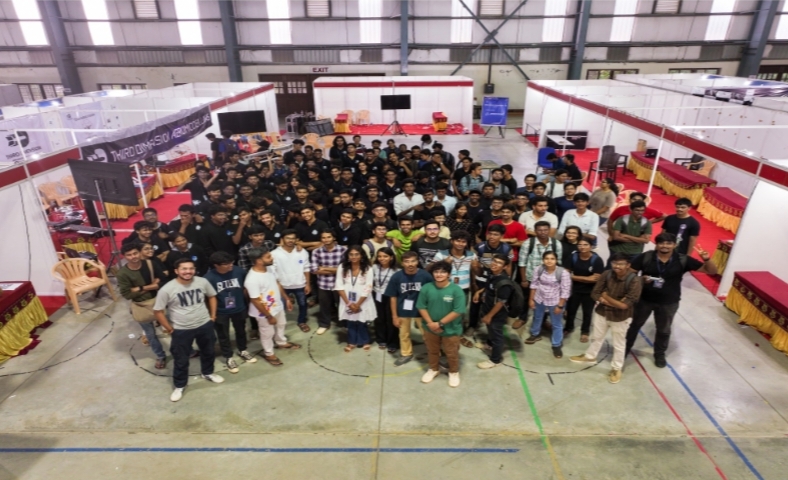
Apart from the completed as well as the ongoing projects showcased, SCIEnT’s Openhouse proudly presents Dynamic projects. From the rockets and racing ATVs to telescopes, the demonstrations are exclusively shown by the technical teams to display the success of the prototypes, laying foundations for huge prospective projects in the future.
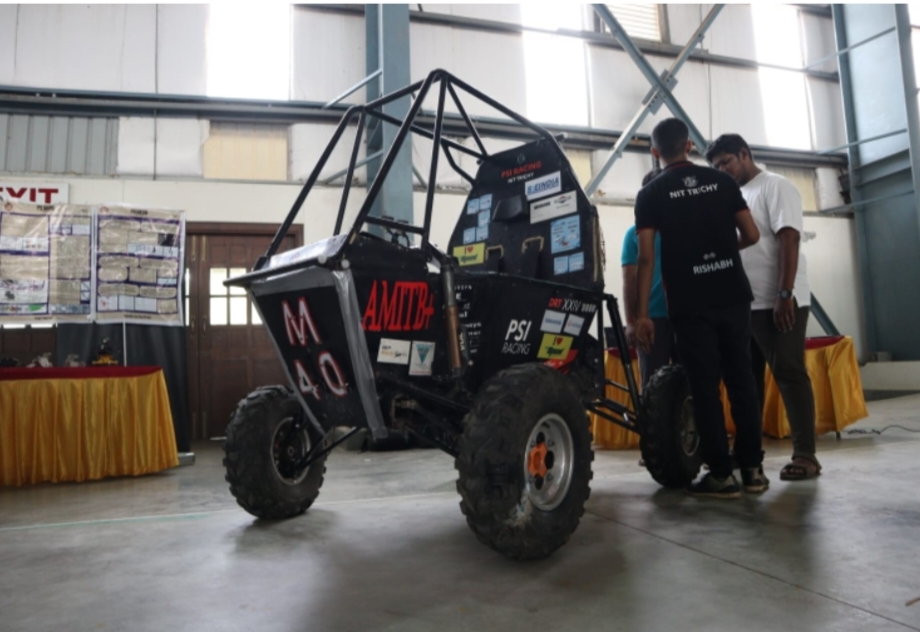
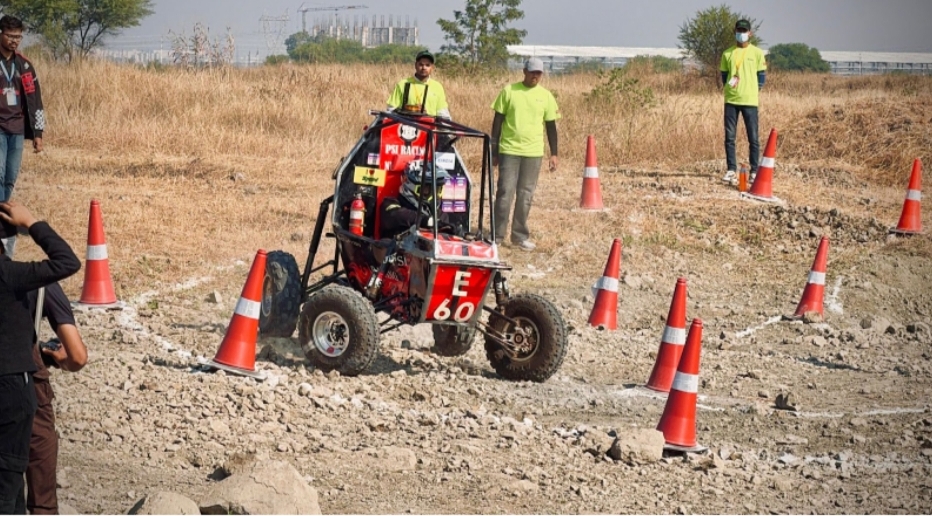
The PSI Racing Team proudly unveils the DRT XXVI, our latest innovation -fully electric ATV in the prestigious DRT series. We design, analyse and then build an ATV to pioneer a high-performance electric off-road vehicle that emphasizes lightweight design, modularity, and energy efficiency without compromising on rugged capability. Built entirely in-house on our campus, the DRT XXVI represents a major leap in our engineering journey. From a high-efficiency electric powertrain and custom battery management system to a redesigned chassis every component was optimized for maximum torque and reliability.
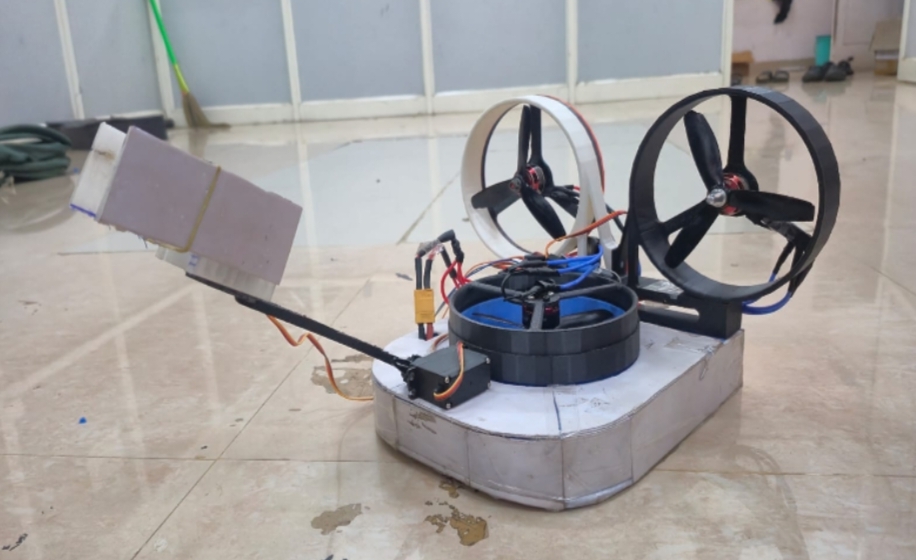
Hosanna is DC’s flagship lightweight hovercraft robot, engineered for responsive maneuverability and robust performance across aquatic and shoreline environments. Its snappy control logics and streamlined architecture enable precise handling, making it a versatile platform for testing advanced mobility concepts. While the current design prioritizes efficiency and control, future iterations will explore bioinspired modifications—such as adaptive hull geometries and flow-responsive surfaces—to enhance stability and energy efficiency in dynamic marine conditions.
Key Highlights:
Lightweight hovercraft design with agile control systems
Optimized for water–shoreline transitions and mobility research
Future scope: bioinspired adaptations for stability, efficiency, and environmental applications
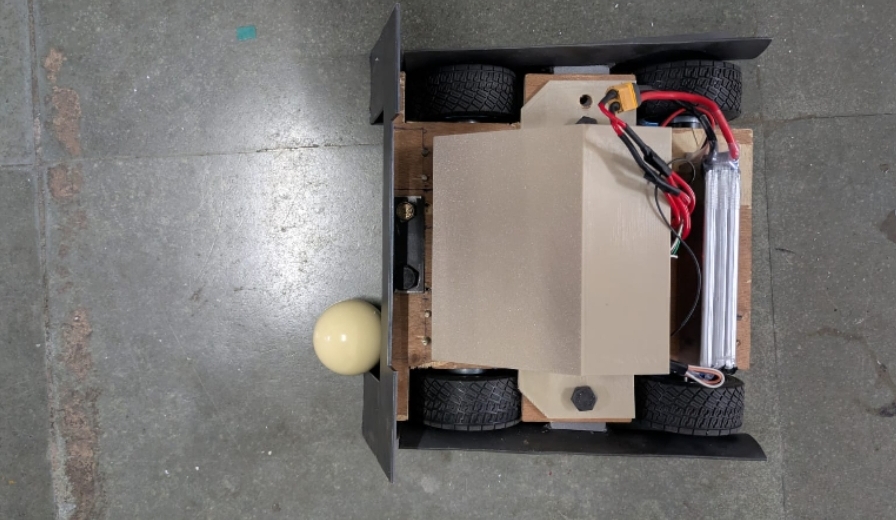
DCFC represents the Consortium’s competitive robosoccer initiative, designed to showcase mechanical precision, teamwork, and real-time strategy. At present, DCFC is operated manually, serving as a platform for engineering design, control refinement, and collaborative play. The project’s roadmap envisions a transition toward autonomous operation, integrating sensor fusion and tactical AI to enable coordinated multi-agent gameplay. This evolution positions DCFC as both a learning arena for robotics enthusiasts and a testbed for future autonomous systems.
Key Highlights:
Current stage: manually operated robosoccer robots
Focus on mechanical agility, teamwork, and control refinement
Future scope: autonomous playmaking with AI-driven decision-makingThe Rocket Display features the Agaxtra series of solid-propellant rockets, developed as part of a progressive in-house rocketry program aimed at advancing design, fabrication, testing, and flight validation capabilities. These rockets serve as test platforms for propulsion systems, structural integrity, avionics integration, and recovery mechanisms, enabling continuous learning and performance improvement.
Gestureverse is an AI-powered human–computer interaction system that replaces physical controls with intuitive hand gestures captured via a webcam.
The prototype showcases gesture-based control by playing Subway Surfers without a keyboard or mouse.